
The Frugal Five: #76
 The Frugal Five: #76


With inflation on the rise and salaries not increasing, our ability to make ends meet keeps going down.    Therefore, we must be more careful with our money.   The Frugal Five is a series where we celebrate the daily or weekly activities that help us live a frugal life.    


This week I am exploring how to keep costs down during busy weeks.    Keeping dinner on the table instead of eating out is one of my strategies to get the job done.    Here are some of my tips and trips.   


1- Crock Pot Cooking  
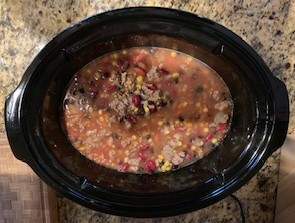
The crock pot is a great solution for getting dinner on the table each night.    In the morning, I spend a few minutes putting all the ingredients into the crock pot, set the cook cycle and dinner is ready when I get home.     


2- Sunday Prepping 
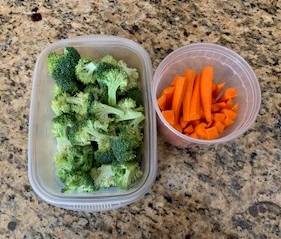
On Sunday, I prepare as much as I can for the week.    I do this by planning all of our meals and completing all of my baking, and pre-cutting of vegetables and fruit.   In addition, I pre-pack several days of lunches and prepare breakfast options for the week.   


3- Pre-Making Breakfast 

We keep breakfast simple in our house, so I make one baked item and we have the options of cereal and yogurt.   Some things that I make for breakfast include banana bread, muffins, scones, or egg mcmuffins.   


4- Sandwich Night
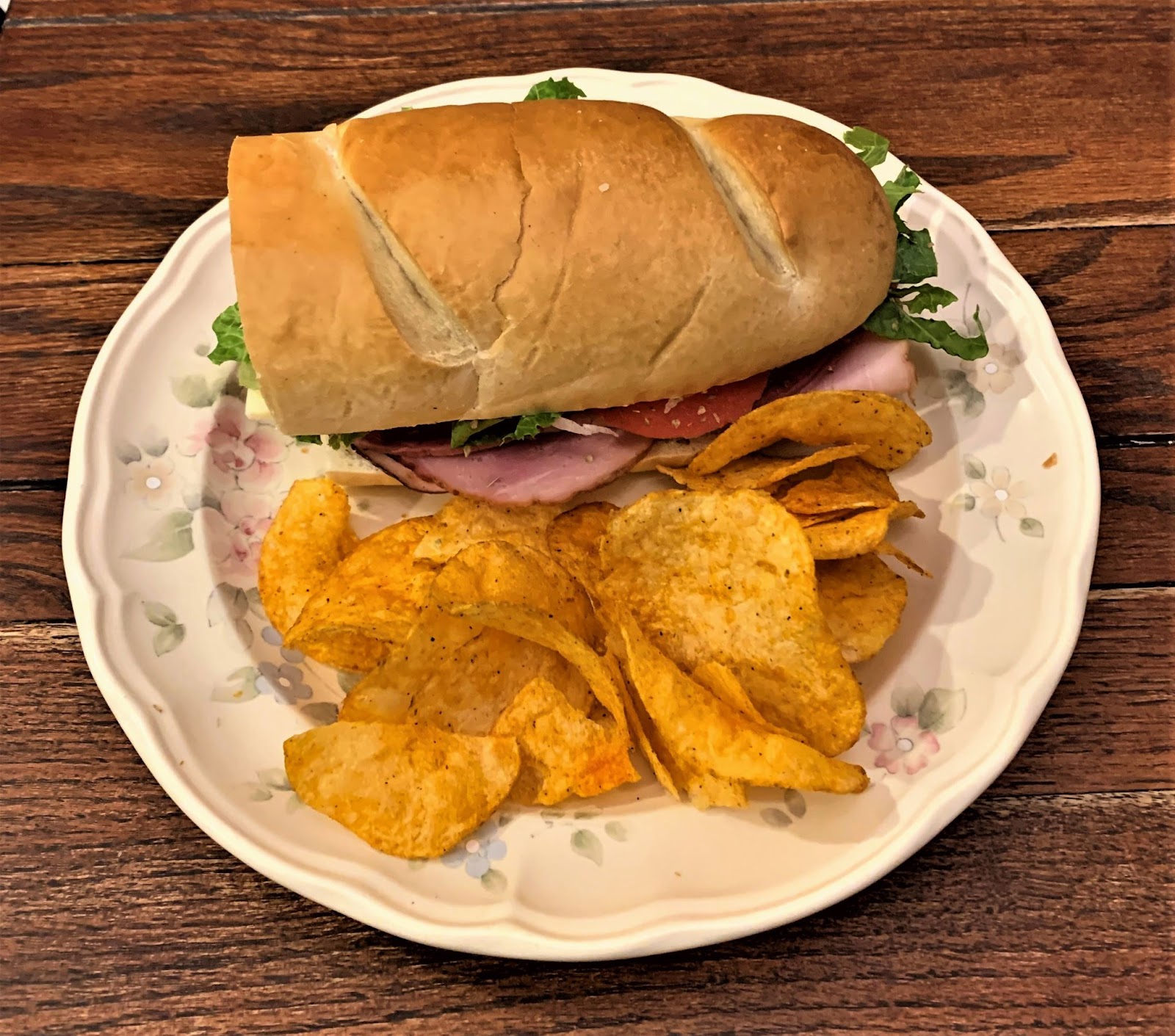
Each week we have sandwich night.   I typically pick the busiest night of the week.     Sandwich night is an easy, quick, and low-stress meal where each family member makes their sandwiches.     We pair this with pre-cut vegetables, dip, and salad.      


5- Left Over Night 
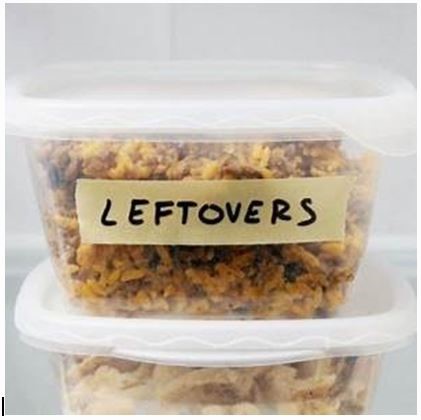
Leftovers are a gold mine in savings.    We use them for lunches, dinner night or just snacking.    By cooking once and eating twice we reduce the amount of money we spend.    Sometimes, we remake the protein into another dish and sometimes, we just reheat the leftovers for lunch the next day.    


What Free-bees have you been able to pick up this year?    My entire year is attached below.    


Here is my list: 

Do you want to see what we did last week?   

Just click on the picture for the link. 


Please leave a comment below with your ways of saving money this week.


Comments

Popular posts from this blog

Menu Planning #132

Our meals need to be nutritious, clean, flexible, quick and cost effective. Between our work schedules and after school activities, we need to carefully plan our meals so that we do not end up ordering out.   The news is very scary at this time because of all the news of meat plants shutting down, grocery stories limiting the amount of meat a family can purchase and all of the talk about a depression on the horizon.    We have decided to keep our grocery budget the same, but to economize any way we can.     This week we tried to pick up some shrimp that was on sale, but the store was out of shrimp and not expecting to get any more in.    We were grateful to find wild caught salmon for the same price, so we picked that up instead for our Mother’s Day Dinner.    What did we spend?  Week 1: $96.44 Kroger: $96.44 Rebates: $3.55 IBOTTA: $1.35 Kroger Cash: $0.45 Checkout 51: $1.75 ...

Menu Plan #322

  NOTE-  1- Click on the picture and get a link to a post sharing the recipe.  2- Although all prices were correct at the time of the blog postings, the current cost of these dishes may be higher due to inflation and/or location.      Published September 2025:  USDA Thrifty Food Plan According to this plan, our family has a weekly budget of $190.50. Since  October has 5 weeks, our monthly budget is $952.50.   We elevate our dining experiences by including fresh fruits, vegetables, and higher-quality meats.  Since our family has specific dietary needs, we limit our consumption of highly processed food.   Grocery Shopping Tip:     Rethink lunchmeat.     The deli will provide you with thin-sliced meat or presliced deli meat, but you will pay a premium per pound.     ($6.49 to $15.00 per pound) However, if you buy a ½ boneless ham (unsliced or presliced), the price point will drop to between ...

Fruit by the serving: Pineapple ($.06-$.19)

Fruit by the serving: Pineapple ($.06-$.19) Fruit by the serving is a concept that I first read about on Pennies & Pancakes several years ago. The concept is basically how much does each serving of fruit cost you. Apples or bananas may be ch eaper that a larger fruit such as cantaloupe or pineapples, but if you pick one up when it is on sale and cut it yourself, it may actually be cheaper per serving that the apple or banana.   In addition, it will give you a wider variety of food. Furthermore, if you have children who would not eat an entire banana or apple, it may be beneficial to purchase the smaller sized fruit. Pineapple Selection: A lot of pineapples we see in the states are mainly green.  When you find a pineapple with a golden color to the majority of it, there is a good sign that the pineapple will be sweet and delicious.  As with all fruit, check for busing. If a piece of fruit is bruised in the transportation process then ...