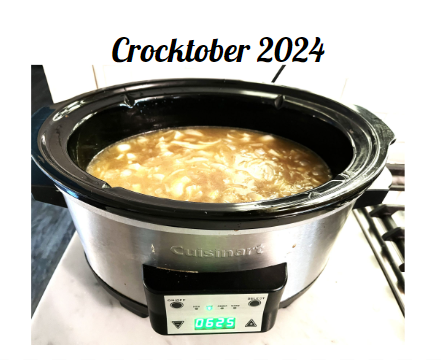
Crocktober Day 2==>Chicken Creole


The leaves are turning colors and starting to drop.   In addition, the weather is turning cool and October is Crock Pot Month. So dust off your slow cookers and start using them to help get dinner on the table this month.    


My slow cooker is a big asset and gets a lot of use over the fall and winter months.    When it is cold outside I use my slow cooker to make soups, stews, sauces, and one-pot meals.      Since school is in full swing, I can get my dinner going in the morning when I have more time.   Then, dinner is done when I am exhausted and this avoids the desire to eat out.   


Crocktober is a challenge, to use your crock pot every day in October.    Although I will not use my crock pot daily, I will use it more this month and post several recipes.   


Come along for the month and see what is cooking.   


Day 2

Our second recipe is Chicken Creole from when I lived in Mississippi.  At Christmas, my husband’s advisor would invite the department and spouses to his house for a party.  His wife would make Chicken Creole with rice and it was divine.  


NOTE→ For my husband to enjoy the creole, I make rice and cauliflower rice. 


Ingredients: 

  • 1 ½ cup chopped onions

  • 1 cup chopped celery

  • 2 cloves of garlic minced

  • 1 (15 oz) can tomato sauce

  • 1 can Rotel tomatoes

  • 1 can crushed tomatoes

  • 1 can mushrooms

  • 1 cup chicken broth (I add more than 1 cup)

  • 2 tsp parsley

  • ⅛ tsp cayenne red pepper

  • ⅛ tsp crushed red pepper

  • 2 bay leaves

  • 2 cups chopped cooked chicken


Directions
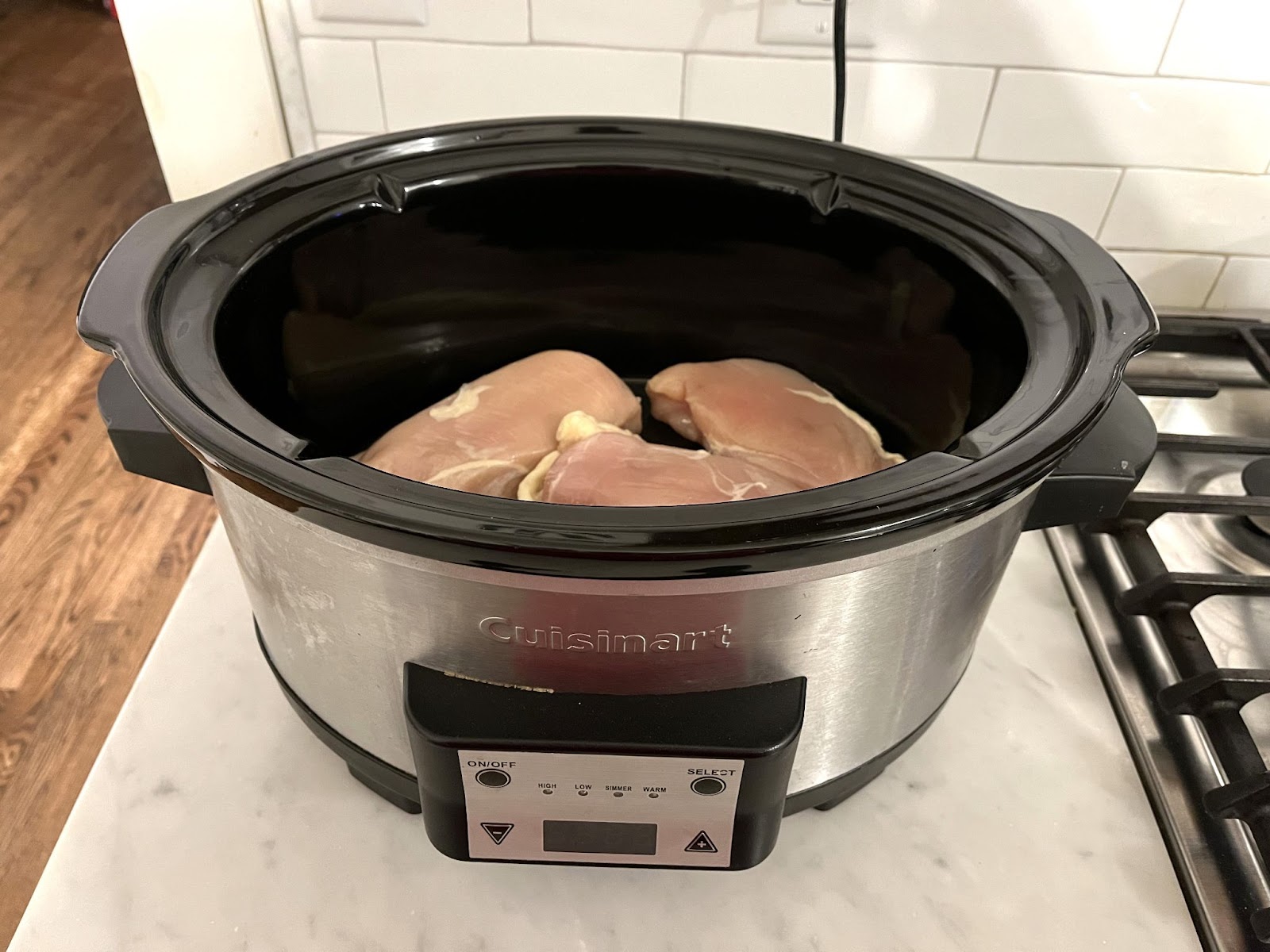
  1. Boil Chicken and debone.   Strain broth and save for later.   
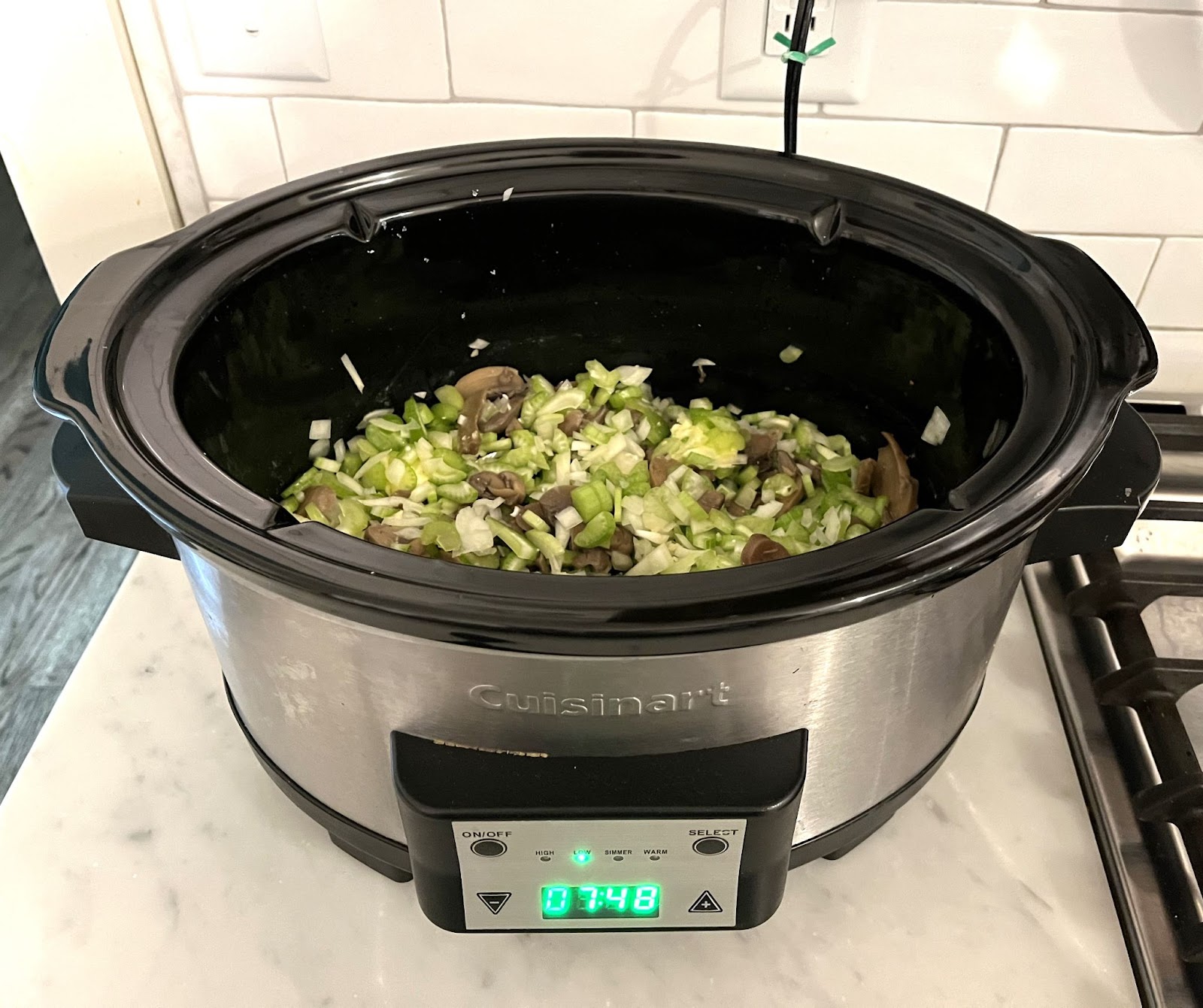
  1. Place onion, celery, and garlic in butter or margarine in crock pot.   Stir them and cook on low for 1 hour or until onion is tender.  Remove from heat and place in crockpot.
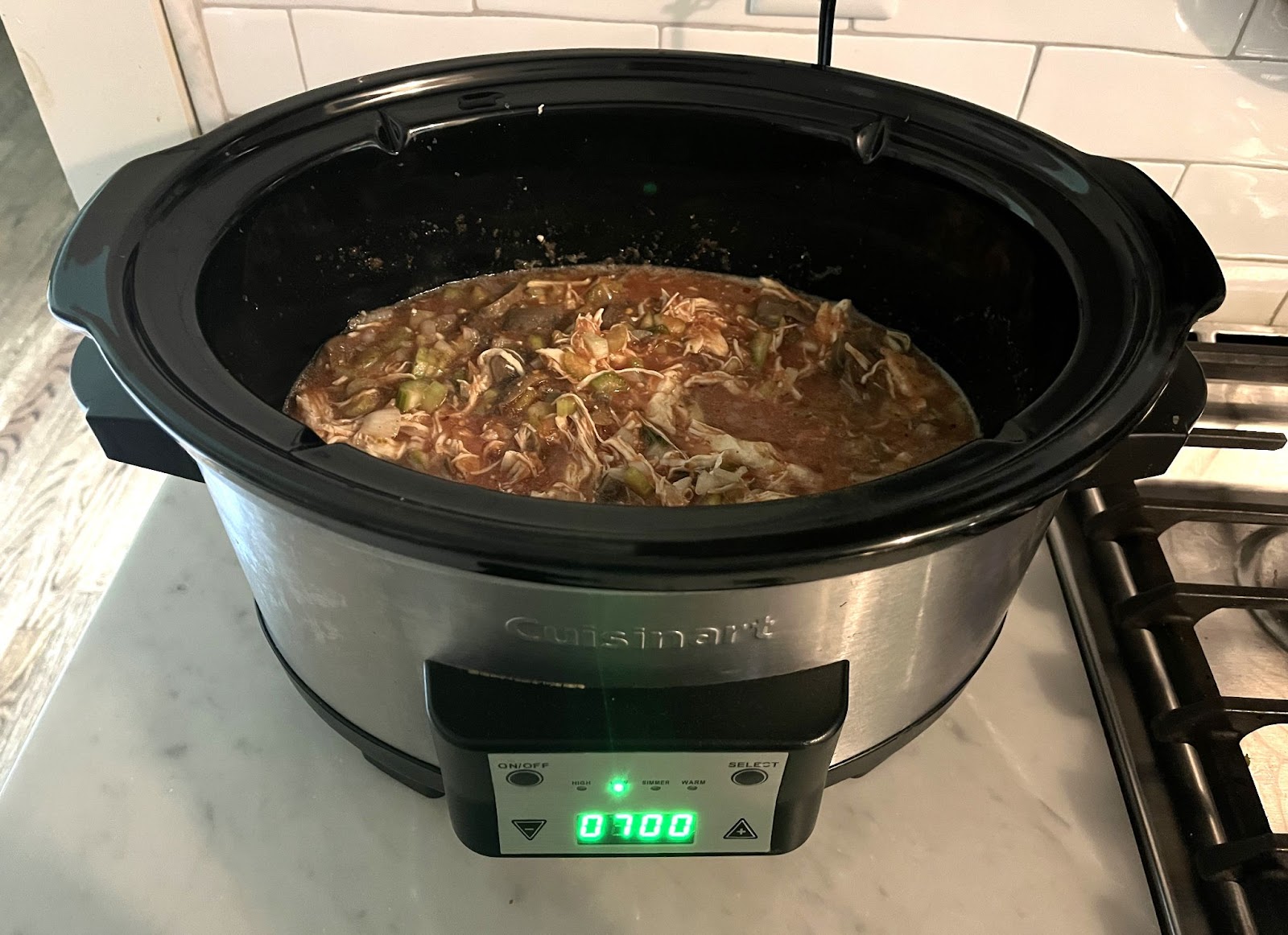
  1. Stir in tomatoes, tomato sauce, chicken broth and seasonings.   

  2. Cook in Crockpot on low for 3 hours. 

  3. Add more broth if needed.   Stir in chicken and mushrooms.   

  4. Cook on low for 5-6 hours.   

  5. Serve over rice. 


Comments

Popular posts from this blog

Menu Planning #132

Our meals need to be nutritious, clean, flexible, quick and cost effective. Between our work schedules and after school activities, we need to carefully plan our meals so that we do not end up ordering out.   The news is very scary at this time because of all the news of meat plants shutting down, grocery stories limiting the amount of meat a family can purchase and all of the talk about a depression on the horizon.    We have decided to keep our grocery budget the same, but to economize any way we can.     This week we tried to pick up some shrimp that was on sale, but the store was out of shrimp and not expecting to get any more in.    We were grateful to find wild caught salmon for the same price, so we picked that up instead for our Mother’s Day Dinner.    What did we spend?  Week 1: $96.44 Kroger: $96.44 Rebates: $3.55 IBOTTA: $1.35 Kroger Cash: $0.45 Checkout 51: $1.75 ...

Menu Plan #322

  NOTE-  1- Click on the picture and get a link to a post sharing the recipe.  2- Although all prices were correct at the time of the blog postings, the current cost of these dishes may be higher due to inflation and/or location.      Published September 2025:  USDA Thrifty Food Plan According to this plan, our family has a weekly budget of $190.50. Since  October has 5 weeks, our monthly budget is $952.50.   We elevate our dining experiences by including fresh fruits, vegetables, and higher-quality meats.  Since our family has specific dietary needs, we limit our consumption of highly processed food.   Grocery Shopping Tip:     Rethink lunchmeat.     The deli will provide you with thin-sliced meat or presliced deli meat, but you will pay a premium per pound.     ($6.49 to $15.00 per pound) However, if you buy a ½ boneless ham (unsliced or presliced), the price point will drop to between ...

Fruit by the serving: Pineapple ($.06-$.19)

Fruit by the serving: Pineapple ($.06-$.19) Fruit by the serving is a concept that I first read about on Pennies & Pancakes several years ago. The concept is basically how much does each serving of fruit cost you. Apples or bananas may be ch eaper that a larger fruit such as cantaloupe or pineapples, but if you pick one up when it is on sale and cut it yourself, it may actually be cheaper per serving that the apple or banana.   In addition, it will give you a wider variety of food. Furthermore, if you have children who would not eat an entire banana or apple, it may be beneficial to purchase the smaller sized fruit. Pineapple Selection: A lot of pineapples we see in the states are mainly green.  When you find a pineapple with a golden color to the majority of it, there is a good sign that the pineapple will be sweet and delicious.  As with all fruit, check for busing. If a piece of fruit is bruised in the transportation process then ...