The Frugal Five: #40

With inflation on the rise and our salaries not being able to keep up, it seems like we have taken a pay cut and must be more careful with our money. The Frugal Five is a series where we celebrate our daily or weekly activities that help us live a frugal life.
With the New Year upon us, it is time to set goals for how we will be spending our money. This can look like shopping carefully, DIY projects, wasting less or just doing without. Let’s see how we can save our pennies this year.
1- Free Pizza Punch Card
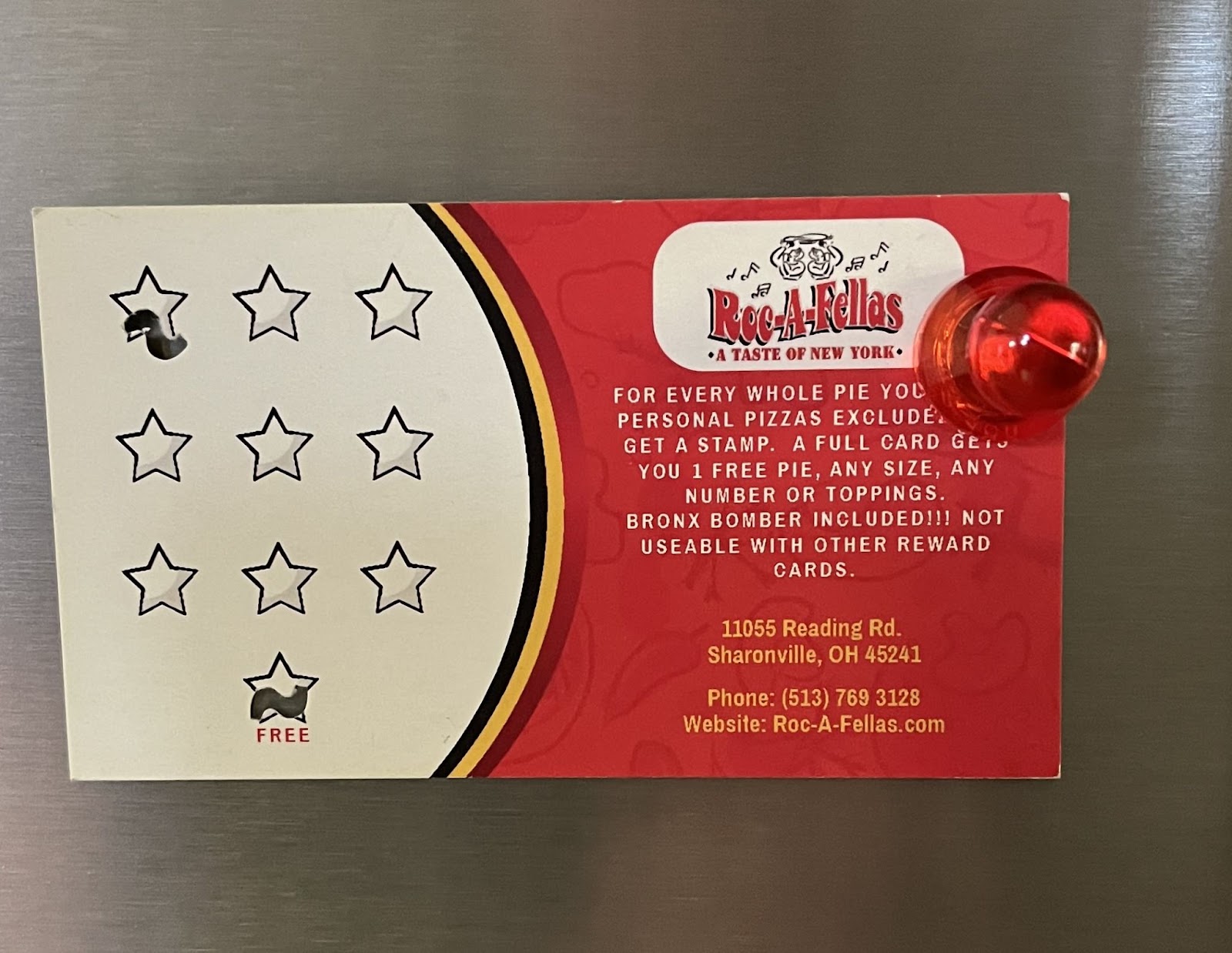
One of our local pizza parlors has a punch card where when you “purchase” 10 pizzas, you get one free. We select Tuesdays to pick up our pizza because each pizza will receive 2 punch holes. This results in us earning a free pizza every 5 pies purchased. In addition, we pick up the large cheese pizza which is the smallest pizza that will feed our family and earn the punches. Finally, when we order our “FREE” pizza, we order the Traditional which is the largest pizza that will be free. In addition, we place as many toppings as we want on that pizza.
2- Haircut Bargains
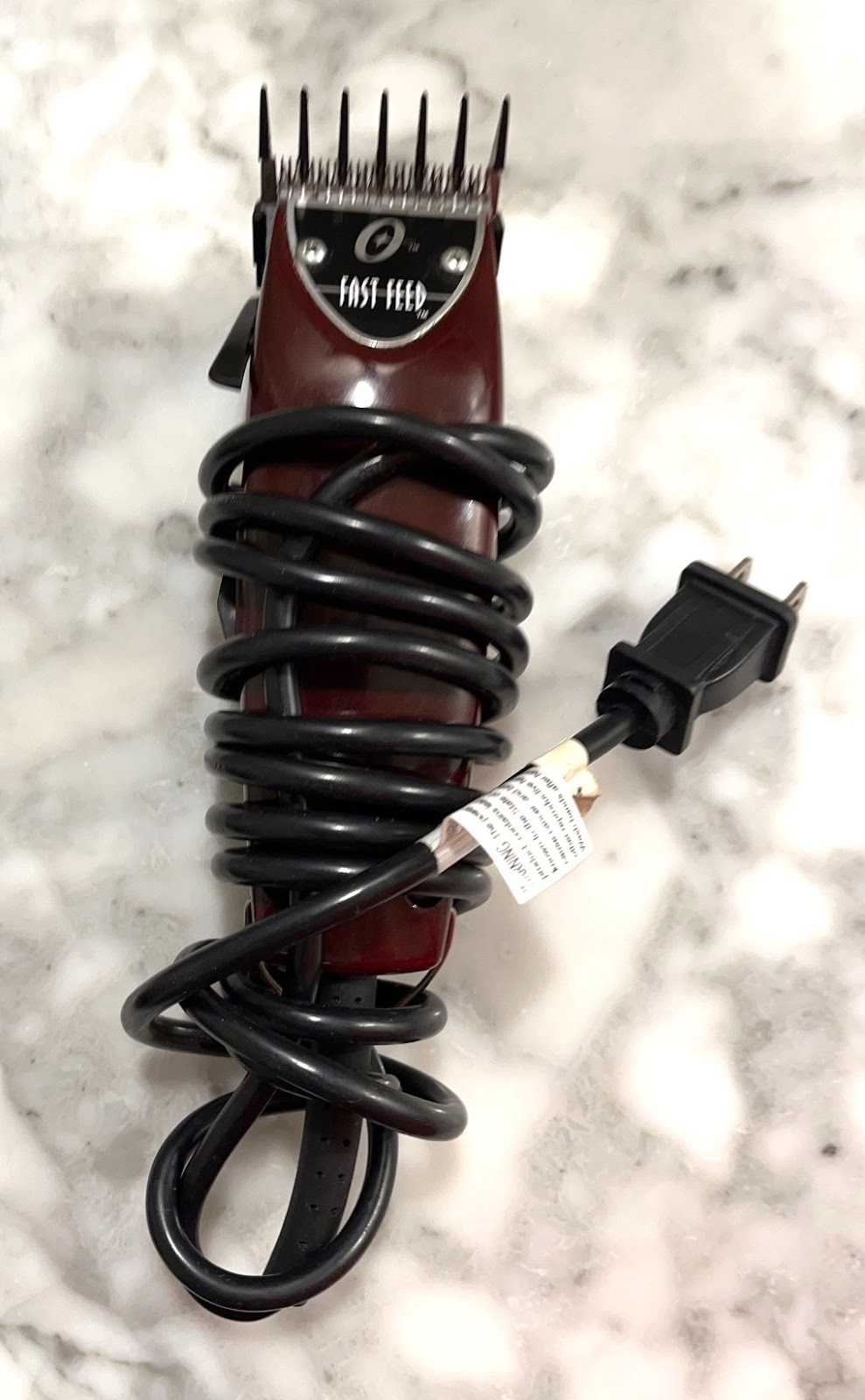
Our haircuts range from $30 (boys) and $115 (women’s color), so being strategic in our grooming habits is important. First, my husband’s hair is easy to cut, so we cut his hair at home. This saves us $30 twice a month. In addition, my son gets his haircut 1 time a month, because that is what he wants. Finally, I stretch my hair appointments by 1 week which results in only going 9 times per year instead of 11, a savings of $230. In addition, my hairdresser has specials several times per year where you get $10 for every $100 gift card you purchase. In addition, every 10 visits you earn $50 towards your next visit. Finally, if you schedule in advance, you are entered into a drawing for a free gift. I haven’t won yet, but I get a chance each time I go.
3- Waste Reduction
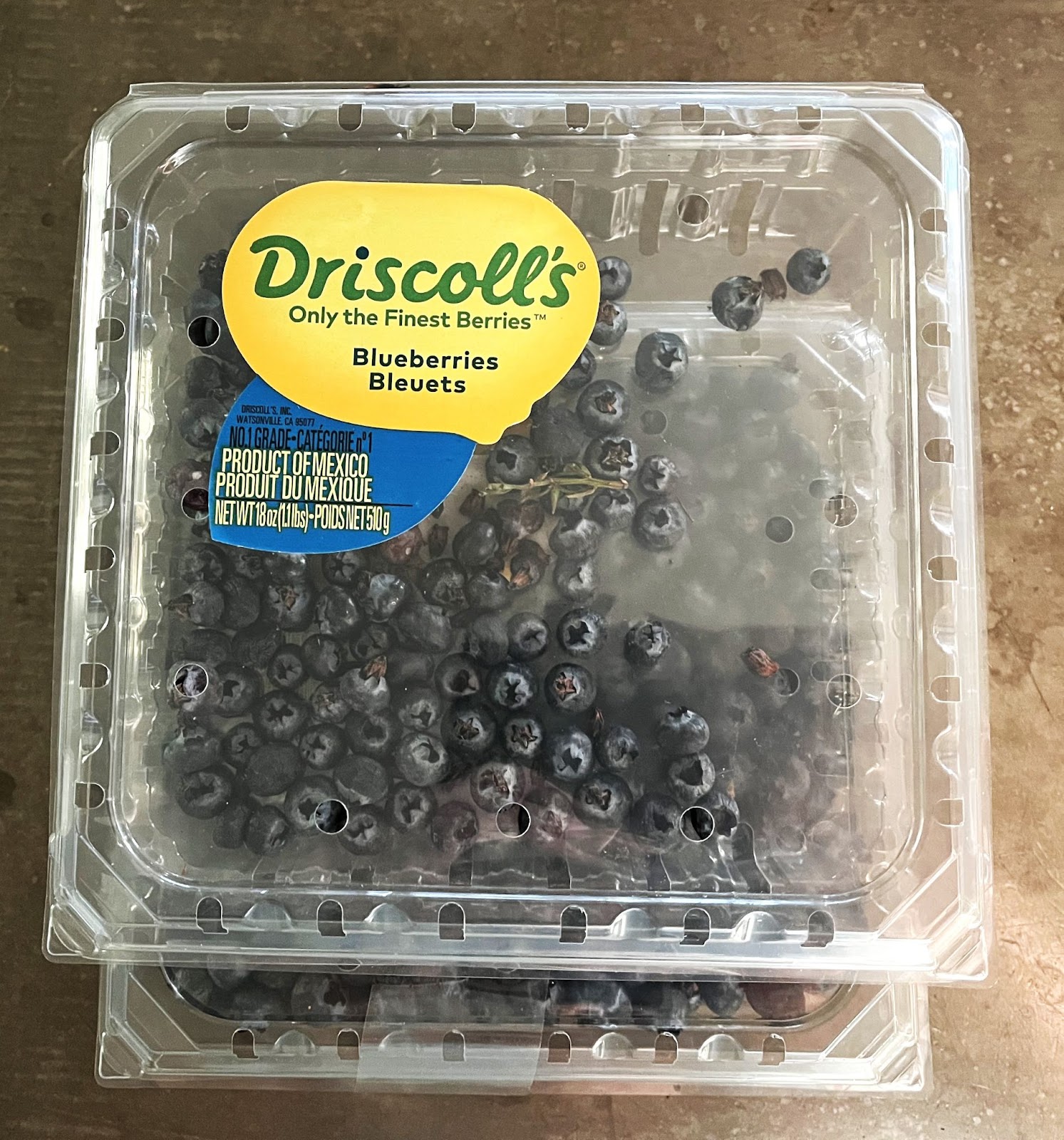
Kitchen waste is incredibly high in America and with the prices of groceries exploding in the past year, it is important that we are mindful of this situation. Each week I take inventory of what I have in my refrigerator and freezer before I Meal Plan. This permits me to use what I have first, buy items at rock bottom prices, stay on budget, and reduce how much food I throw away. For example, if I see that we haven’t eaten the blueberries I purchased last week, I might make blueberry pancakes or muffins for breakfast. I sometimes freeze the item to extend the life of the food.
4- Eat Vegetarian at least 1 time a week

Meat prices are climbing up at a quick rate and egg prices are outrageous in our area. In order to keep our food budget down, we will eat vegetarian at least 1 time per week. Some meals include: pasta, sandwiches, vegetarian chili, bean and cheese enchiladas or stir fried rice.
NOTE: Price per Serving is based on 2020 prices.
5- Treats from Work

This past week our Parents Association provided a treat for all of the teachers. I was happy to select a few items to enjoy. In addition, I saved one of the snacks for the next week. In addition, people will bring in breakfasts or cakes to celebrate various days (e.g. counselors week, birthdays, etc.), I always participate. In addition, I select an item to bring in on occasion to give to others such as a breakfast cake, muffins or brownies. Each of these items are easy to pick up in box form at the grocery store when they go on sale and save for when it is your turn to donate. This week, I pulled out two breakfast foods and brought them for counselors' week.
Do you want to see what we did last week?
Just click on the picture for the link.
Please leave a comment below with your ways of saving money this week.
Comments
Post a Comment