Winterizing Your Home on a Budget
Week 1
Winter has arrived and trying to keep your home warm is quite the challenge. If you are not planning on how to heat your
home efficiently then you are planning on failing at the job. Just think about it. If you are heating your home to 70 degrees and it is 20 degrees outside then you will be heating the outside and your furnace will run non-stop resulting in higher heating bills and wear and tear on your furnace.
This series is geared towards simple things you can do to help eliminate heat from escaping and keep your heating bills
in check while on a budget.
This week’s focus is on your furnace.
Get a yearly maintenance check up. This will clean out your furnace and help to eliminate emergency services this season. The technician should also be able Wito provide you with an estimate on how much longer you have until replacement will be needed. Since this is an expensive bill, it will help you start saving for a new one.
Change the furnace filter. A blocked filter will prevent air flow and decrease your furnace’s efficiency.
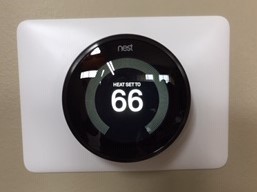
Check your thermostat. Adjusting your temperature to 68 (winter) and 72 (summer) is a tried-and-true efficient method for your electric and gas bills when trying to save money. In addition, if your not home, drop the temperature 10 degrees. In addition, lower your thermostat at bedtime. For every degree you lower your thermostat, you can save around 3% on your heating bill.
This is where a programmable thermostat comes in handy. However, if you don’t have one and it’s not in the budget this year, then just adjust the thermostat by hand.
Put on a sweatshirt, sweater or blanket and wear socks and slippers on your feet.
This will help you to stay warm while maintaining a lower house temperature.
Use your ceiling fans to your advantage. There is a switch on each fan that changes the direction of the air flow it creates. You will want your fan to be moving clockwise. In the winter, you want the air to be pushing down the hot air. Now, the only time you should have the fans on is when you are actively using the room because it is an efficient way of making a room more comfortable but will be wasted if no one is in the room.
Seal your duct work. My furnace technician recommended this my first year in my home. I was able to buy a roll of HVAC multi purpose foil tape which runs $7.36 for 50 yards. It took a long time to clean the outside of the ducts and apply the tape but it was worth it.

Sweep out your ducts at least once a year. This will help to prevent dirt and mold build up in your duct work.
Vents in the main living areas need to open and unblocked. Make sure that furniture and/or rugs/blankets are not blocking the vent.
If you are not actively using a room then close it off by shutting the door and closing the vent.

If you have any suggestions on how to maintain your furnace’s efficiency, please leave a comment below.
Hit the subscribe button and never miss a post. There are more tips to come for winterizing your home.
Comments
Post a Comment